2026-10-19 · Drew Thompson
Preventing Backflow: Protecting Baltimore's Water Supply
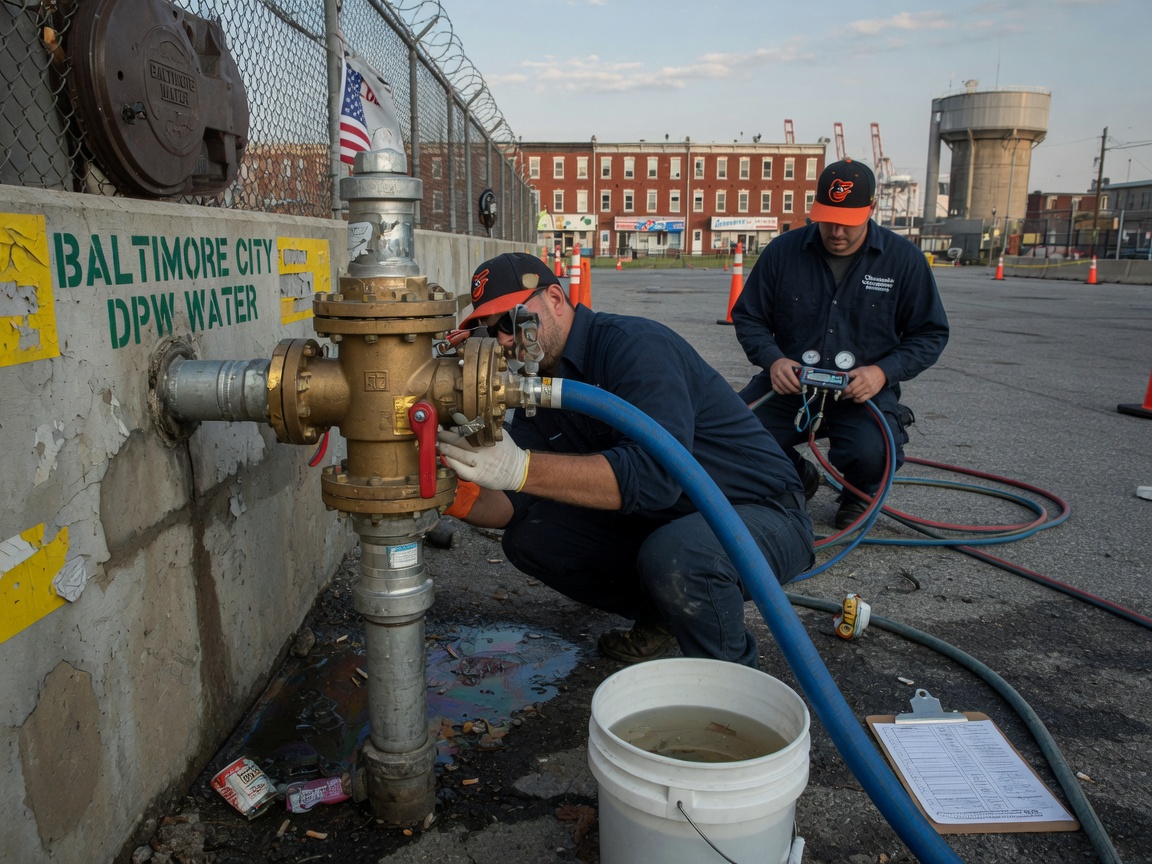
Preventing backflow is absolutely critical for protecting Baltimore's water supply, as it directly safeguards our community from contaminated drinking water. Backflow occurs when the normal flow of water in a plumbing system reverses, drawing non-potable (non-drinking) water into the potable (drinking) water supply. This can introduce hazardous substances like chemicals, fertilizers, or even sewage into the water we use for drinking, cooking, and bathing. Given Baltimore's humid subtropical climate, which can lead to significant pressure fluctuations in the water mains, and the age of much of the plumbing infrastructure in neighborhoods from Fells Point to Hampden, the risk of backflow is a constant concern that requires diligent attention from both homeowners and commercial property managers.
Understanding Backflow: The Basics
Backflow is essentially a plumbing system's failure to maintain a one-way flow of water. There are two primary types: backpressure and backsiphonage. Backpressure occurs when the pressure in a non-potable system (like an irrigation system or a boiler) becomes greater than the pressure in the potable water supply, forcing contaminated water into the clean supply. This can happen, for instance, if a boiler pump malfunctions or if a fire hydrant is opened nearby, causing a sudden drop in municipal water pressure. Backsiphonage, on the other hand, is caused by a negative or reduced pressure in the potable water system, effectively 'sucking' contaminated water back into the main supply. This might occur during a water main break, a large water withdrawal (like firefighting), or even during routine maintenance on the municipal system. Both scenarios pose a significant public health risk, which is why Baltimore City and Anne Arundel County plumbing codes mandate specific backflow prevention measures.
The consequences of backflow can range from mild illnesses to severe health crises, impacting residents from Locust Point to Charles Village. Imagine a garden hose submerged in a pool of fertilizer or a utility sink filled with cleaning chemicals. If a sudden pressure drop occurs in the main water line, that contaminated water could be siphoned directly into your home's drinking water, and potentially into the municipal supply. This is why vigilance is key, especially in older homes prevalent in areas like Mount Vernon and Bolton Hill, where original plumbing systems may not have been designed with modern backflow prevention in mind. Regular inspections and proper device installation are not just good practice; they are essential for community well-being.
Common Causes of Backflow in Baltimore
Several factors contribute to the risk of backflow in a city like Baltimore. One significant factor is the age of the infrastructure. Many homes and businesses in historic neighborhoods such as Fells Point and Federal Hill feature plumbing systems that are decades, if not a century, old. These older systems are often more susceptible to pressure fluctuations and may lack modern backflow prevention devices. Additionally, the varied terrain, from the waterfront areas of Canton to the higher elevations of Reservoir Hill, can create natural pressure differences within the water distribution network, increasing the potential for backpressure or backsiphonage events. When the municipal water supply experiences a significant drop in pressure, perhaps due to a large water main break or fire department activity, it creates a vacuum effect that can pull non-potable water into the drinking water lines.
Another common cause relates to cross-connections—any actual or potential connection between a potable water system and any non-potable source. These can be found in residential, commercial, and industrial settings. For example, a garden hose left submerged in a bucket of dirty water, a chemical dispenser connected directly to a water line without proper protection, or even a sprinkler system that isn't adequately isolated from the main water supply can all create dangerous cross-connections. In Baltimore's hot summers, residents frequently use hoses for gardening or pool filling, increasing the chances of improper connections if not carefully managed. Understanding and eliminating these cross-connections is a fundamental step in effective backflow prevention.
Types of Backflow Prevention Devices
To counteract the risks of backflow, various devices are employed, each designed for specific applications and levels of hazard. The most common residential device is a hose bib vacuum breaker, which screws onto outdoor spigots to prevent water from being siphoned back into the house from a garden hose. For more significant hazards, such as irrigation systems or fire suppression lines, more robust devices are required. These include double check valve assemblies (DCVA) and reduced pressure principle assemblies (RPZ).
A double check valve assembly consists of two independently operating check valves, plus two shut-off valves and test cocks. It's suitable for protecting against backpressure and backsiphonage where the contaminant is not a health hazard (e.g., stagnant water). An RPZ device, however, offers the highest level of protection. It features two independent check valves, a hydraulically operated differential pressure relief valve located between the check valves, and two shut-off valves and test cocks. The relief valve opens to atmosphere if the pressure between the check valves drops to a certain level, effectively preventing backflow of hazardous materials. These are typically required for commercial properties, industrial facilities, and even some residential properties with significant irrigation systems in areas like Patterson Park. Regular backflow testing is essential for these devices to ensure they are functioning correctly.
Maintaining Your Backflow Prevention System
Proper maintenance and regular testing are paramount to ensuring your backflow prevention devices function effectively. In Baltimore, especially with our humid climate and the potential for corrosion, these devices need consistent attention. For residential hose bib vacuum breakers, a quick visual inspection before and after seasonal use is often sufficient. Ensure they are securely attached and show no signs of leakage or damage. If you notice any issues, replacement is usually straightforward and inexpensive. For more complex assemblies like DCVAs and RPZs, annual testing by a certified backflow technician is not just recommended, it's often a regulatory requirement in Baltimore City and surrounding areas like Columbia and Annapolis.