2026-10-19 · Drew Thompson
Signs of a Hidden Water Leak in Your Baltimore Property
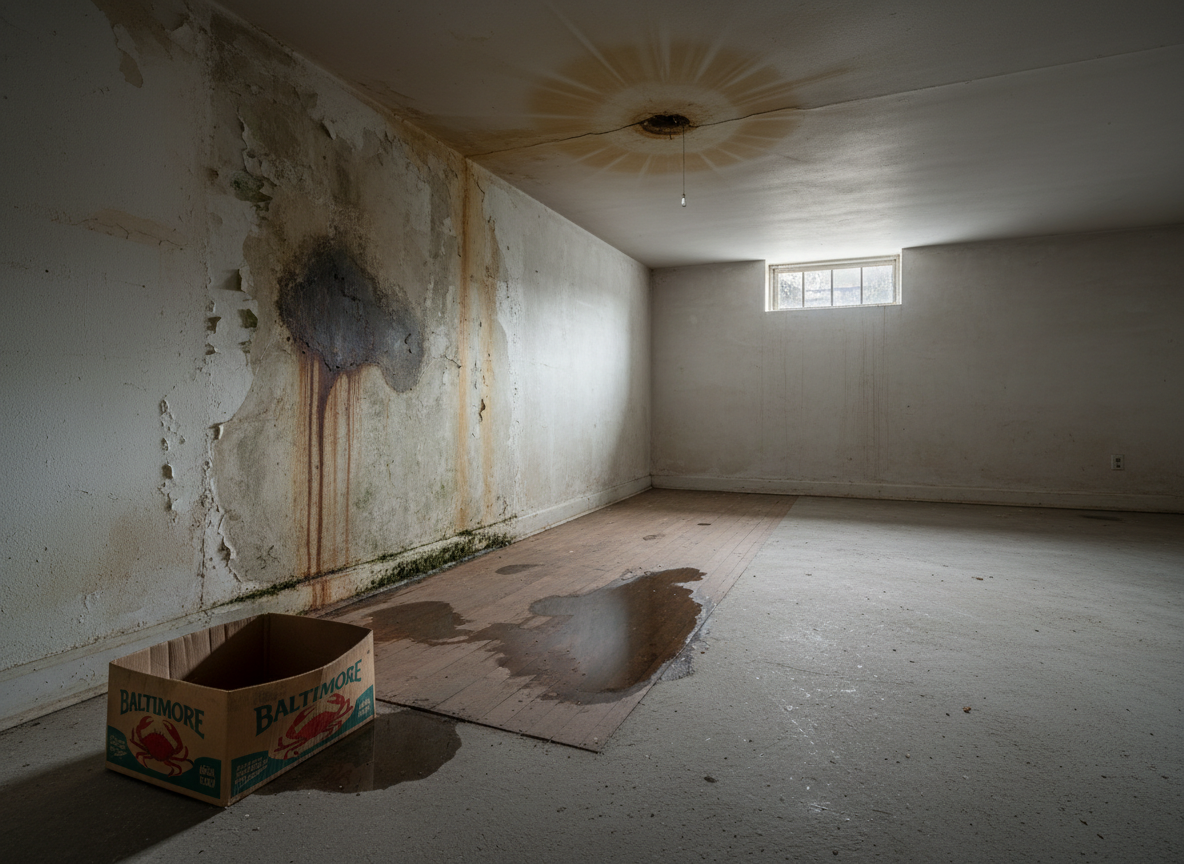
Hidden water leaks in your Baltimore property can manifest through several key indicators, often before any visible water appears. These signs include an unexplained increase in your water bill, persistent musty odors, visible water stains on ceilings or walls, and the sound of running water when no fixtures are in use. Addressing these early warnings quickly is crucial, as even a small, undetected leak can lead to substantial structural damage, mold growth, and significantly higher utility costs over time, particularly in older homes common in areas like Federal Hill or Mount Vernon where plumbing systems might be decades old. The humid subtropical climate of Baltimore, with its hot summers and cool winters, can exacerbate issues, as fluctuating temperatures can stress pipes and accelerate material degradation, making early detection even more vital for properties throughout the Independent City and surrounding areas like Annapolis and Columbia.
Unexplained Increases in Water Bills
One of the most telling signs of a hidden water leak is a sudden and unexplained spike in your monthly water bill. If your usage habits haven't changed, but your bill has notably increased, it's a strong indicator that water is being consumed somewhere it shouldn't be. In Baltimore, where many homes, especially in neighborhoods like Canton and Charles Village, have older plumbing infrastructure, minor leaks can develop and slowly escalate over weeks or months. It’s important to compare your current bill to previous months and even the same month in prior years to identify any abnormal patterns. A consistent increase, even if seemingly small, can point to a leak that's continuously running, slowly draining your wallet and potentially damaging your property. Keeping an eye on your water meter when no water is actively being used can also confirm this; if the meter is still spinning, you likely have a leak somewhere.
Persistent Musty Odors and Mold Growth
A persistent musty or earthy smell, particularly in areas like basements, under sinks, or near walls, often signals the presence of hidden moisture and potential mold growth due to a leak. This odor is typically more pronounced in enclosed spaces where airflow is limited. In Baltimore's humid climate, even a small, slow leak behind a wall or under flooring can create the perfect breeding ground for mold and mildew within a few days. Properties near the Inner Harbor or Fort McHenry, often subject to higher ambient humidity, are especially susceptible. If you detect such smells without a visible water source, it’s critical to investigate further, as mold can pose health risks and indicate significant structural damage. Addressing the leak promptly is key to preventing further mold proliferation and maintaining a healthy indoor environment. For more insights on maintaining your home's integrity, consider reading our article on [/blog/the-importance-of-regular-plumbing-inspections-for-baltimore-homes].
Visible Water Stains and Discoloration
Water stains on ceilings, walls, or floors are often the most obvious visual cues of a hidden leak, though they typically appear after the leak has been active for some time. These stains might be yellow, brown, or dark, and can spread over time. For example, a leak in an upstairs bathroom in a rowhouse in Locust Point might eventually show as a discolored patch on the ceiling of the room below. Similarly, discolored baseboards or warped flooring in areas like Patterson Park can indicate a slab leak or a pipe issue within the walls. It’s important to note that the source of the leak might not be directly above or behind the stain, as water can travel along joists, pipes, and other structural elements before finally showing itself. The material of your home, whether plaster in older Bolton Hill homes or drywall in more modern Reservoir Hill properties, will react differently, but discoloration is a universal warning sign.
Sounds of Running Water When Not in Use
Hearing the faint sound of running or dripping water when all faucets are off and no appliances are operating is a strong indicator of a hidden leak. This sound might be subtle, like a constant trickle, or more pronounced, depending on the severity and location of the leak. In the quiet of the night, when ambient noise is minimal, these sounds become much more noticeable. This could point to a leak within a wall, under a floor, or even from an underground pipe. For instance, a persistent drip sound in a home in Hampden could signal a slow leak in a pipe leading to an exterior spigot, or a toilet flapper that isn't sealing correctly. If you suspect a leak from these sounds, it's advisable to investigate promptly. Our team is available 24/7 to help diagnose and repair such issues, including specialized services like [/services/slab-leak-repair] for leaks beneath your home's foundation.
Low Water Pressure
While not always directly indicative of a hidden leak, a sudden or gradual drop in water pressure throughout your home can sometimes be a symptom. If a significant leak develops in your main water line or a large supply pipe, the water escaping the system will reduce the overall pressure reaching your fixtures. This is particularly noticeable if the drop in pressure affects multiple faucets and showers simultaneously, rather than just one. In Baltimore, especially in areas with older service lines like those found around the Baltimore Museum of Art or Oriole Park at Camden Yards, leaks in the main water line can be a concern. If you're experiencing unusually low water pressure, it's worth considering a professional assessment to rule out a hidden leak, among other potential causes. Further information on this topic can be found in our article [/blog/understanding-baltimores-water-pressure-issues-what-to-do].