2026-10-19 · Drew Thompson
Understanding Your Home's Main Water Shut-Off Valve in Baltimore
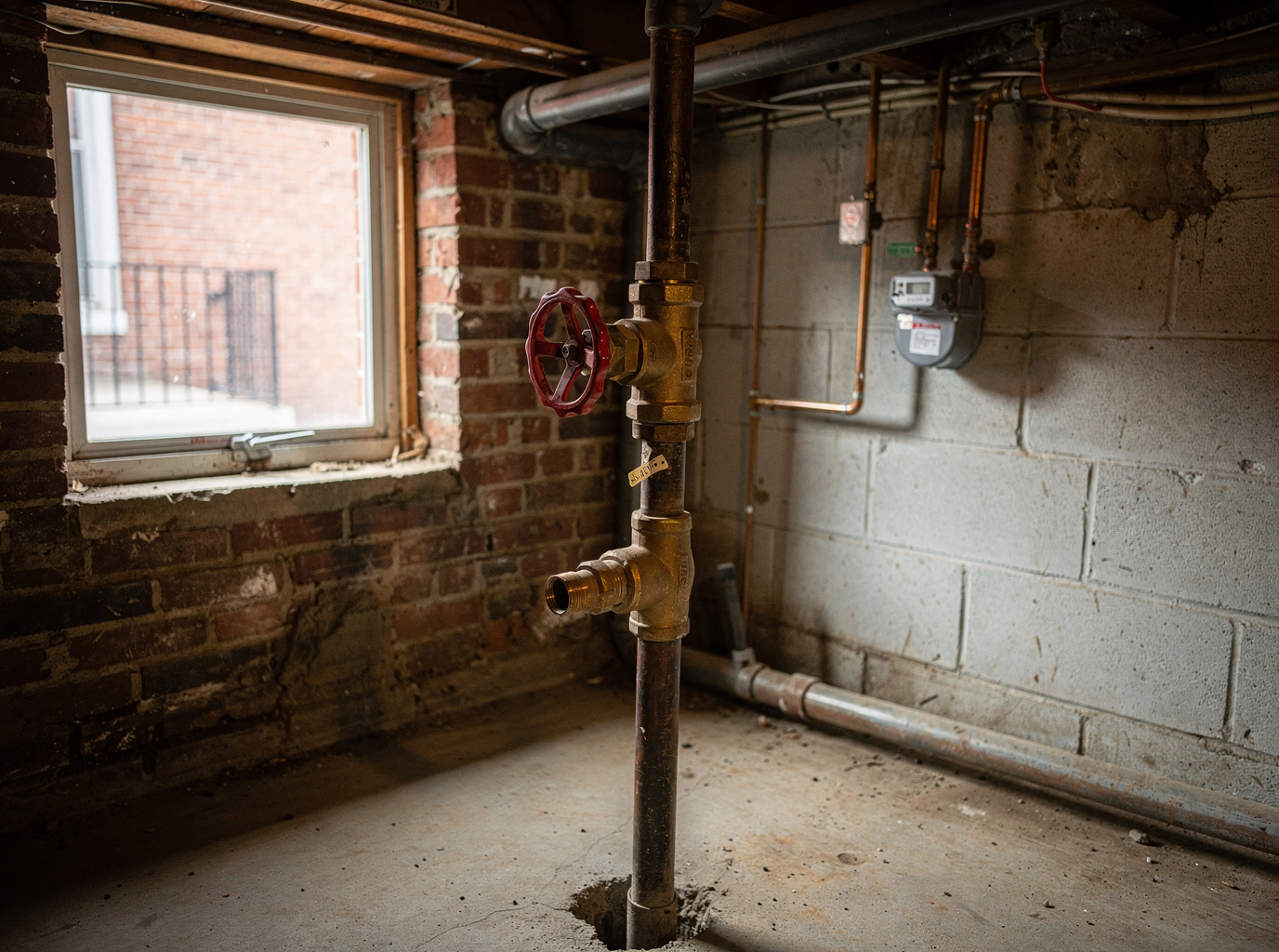
Understanding your home's main water shut-off valve in Baltimore is crucial for every homeowner, as it is your first line of defense against catastrophic water damage. This valve allows you to completely stop the flow of water into your house, which is essential during a burst pipe, a major leak, or when performing significant plumbing repairs. For older homes common in areas like Fells Point, Mount Vernon, or Bolton Hill, where original plumbing systems might be more prone to issues, knowing how to quickly access and operate this valve can mean the difference between a minor inconvenience and thousands of dollars in repairs. In Baltimore's humid subtropical climate, especially with hot summers and cool winters, pipes can be stressed by temperature fluctuations, making this knowledge even more vital.
Why Your Main Water Shut-Off Valve Matters in Baltimore
Imagine a pipe bursting in your Canton rowhome or a significant leak developing under the floorboards of your Federal Hill property. Without immediate action, gallons of water could flood your home, causing damage to flooring, walls, and personal belongings. The main water shut-off valve empowers you to halt this flow, minimizing the extent of the damage. This is particularly relevant in an independent city like Baltimore, where many homes, from the historic brownstones of Charles Village to the charming houses of Hampden, have plumbing systems that have seen decades of use. Quick action can prevent costly repairs and reduce the likelihood of mold growth, which thrives in our region's humidity. It's not just about emergencies; you'll also need to turn off the main water supply for planned plumbing work, like replacing a water heater or repairing a leaky faucet.
Locating Your Main Water Shut-Off Valve
Finding your main water shut-off valve is often the first challenge for many Baltimore residents. While there's no single universal location, most main shut-off valves are found where the primary water line enters your home. For many properties in areas like Patterson Park or Locust Point, this might be in your basement, crawl space, or utility room. Look for a pipe entering the house from the ground or through an exterior wall, usually near the front of the house facing the street. The valve itself can be a gate valve (with a round handle that you turn like a spigot) or a ball valve (with a lever handle that you turn 90 degrees). If your home has a water meter inside, the shut-off valve is typically located very close to it. For homes without basements, often found in parts of Annapolis or Columbia, it could be in a utility closet or even outside near the foundation.
How to Operate Your Main Water Shut-Off Valve
Once you've located your valve, it's essential to know how to operate it correctly. For a gate valve, turn the round handle clockwise until it's snug. Do not overtighten, as this can damage the valve and lead to leaks. For a ball valve, simply turn the lever handle 90 degrees so it's perpendicular to the pipe. This action immediately stops the water flow. It's a good practice to test your valve periodically, perhaps once a year, to ensure it's not seized up from disuse. If you have any difficulty operating it, or if it seems stuck, do not force it. Applying too much pressure can break an old valve, potentially creating a bigger problem. In such cases, it’s best to call a professional plumber who can assess the situation and perform necessary repairs or replacements. Drew & Sons Plumbing Corp is available 24/7 to assist with such emergencies.
Common Issues and Maintenance Tips
Over time, main water shut-off valves can develop issues, especially in Baltimore's older housing stock. Corrosion is a common problem, particularly with older gate valves made of brass or cast iron, which can lead to them becoming stiff or even leaking. You might notice rust or mineral deposits around the valve stem. Another issue is a stripped handle or a valve that won't fully close, allowing a trickle of water to pass through. Regular inspection is key. Look for any signs of leaks, drips, or corrosion. If you find any, it's advisable to have a plumber inspect it. Lubricating the valve stem with a silicone-based lubricant can help keep gate valves operating smoothly. If your valve is old and difficult to operate, consider having it replaced with a newer, more reliable ball valve. This preventive measure can save you from a major headache during a sudden pipe burst. If you experience a burst pipe, Drew & Sons offers expert burst pipe repair services.
When to Call a Professional Plumber
While locating and operating your main water shut-off valve is a basic homeowner skill, there are times when professional help is indispensable. If you cannot locate your valve, if it's seized, leaking, or if you suspect it's faulty, it's time to call a plumber. Attempting to force a stuck valve can lead to a more significant problem, potentially requiring a main water line replacement. Furthermore, if you're dealing with a major plumbing emergency like a significant leak or a sewer backup, turning off the main water supply is just the first step. You'll need expert assistance to diagnose and repair the underlying issue. Our team at Drew & Sons Plumbing Corp, based out of 6116 MacBeth Dr #6300, Baltimore, MD 21239, is available 24/7 to address any plumbing concerns, from a minor drip to a major emergency. We understand the unique challenges of plumbing in Baltimore's diverse neighborhoods and are equipped to handle them efficiently.