2026-10-19 · Drew Thompson
Water Heater Lifespan: When to Replace in Baltimore
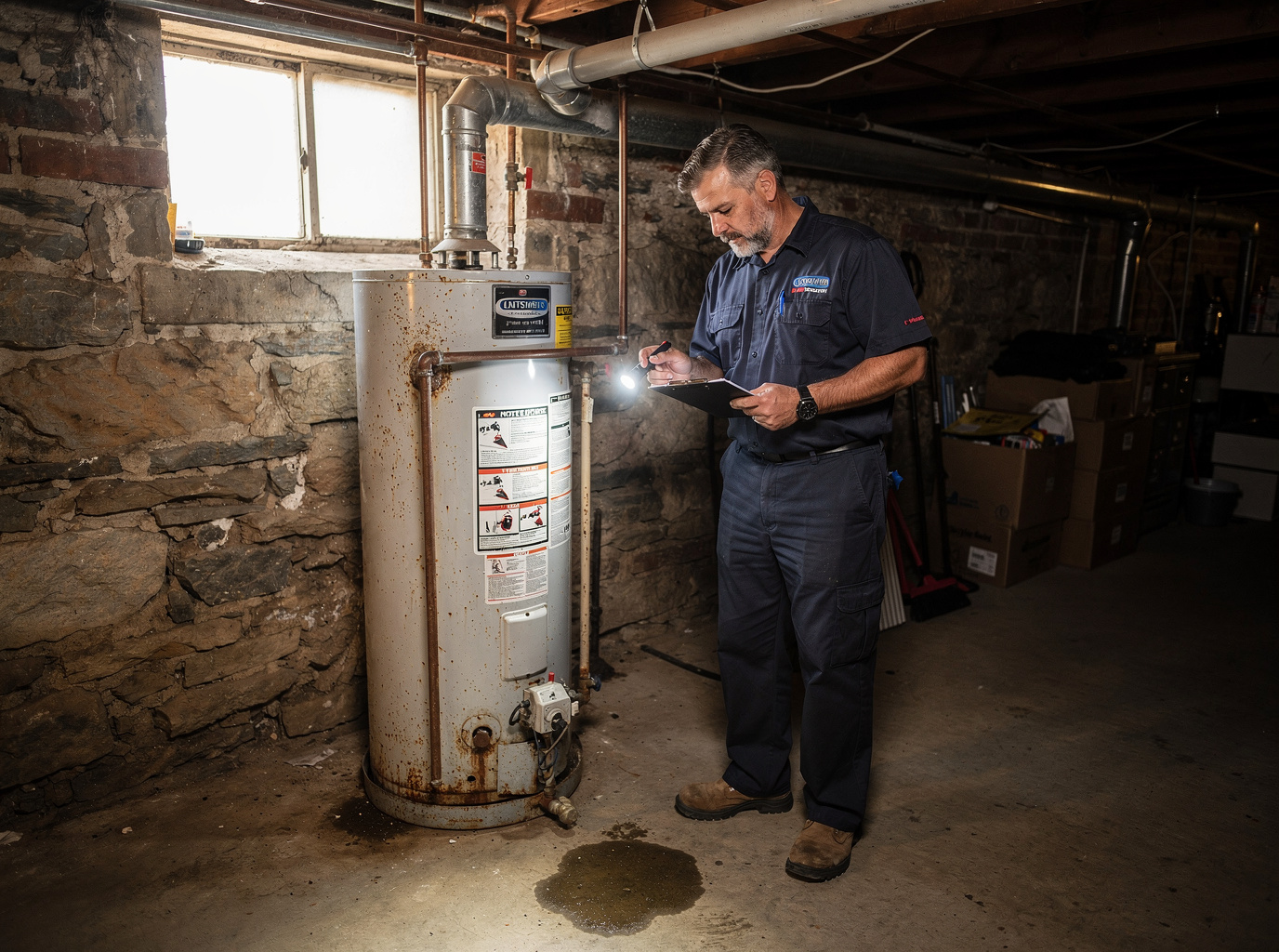
In Baltimore, a traditional tank water heater typically lasts between 8 and 12 years, while a tankless model can often extend to 20 years or more with proper maintenance. Knowing these general lifespans is the first step, but the humid subtropical climate with hot summers and cool winters, combined with the age and type of housing stock found across neighborhoods like Fells Point, Canton, and Mount Vernon, means that proactive monitoring and timely replacement are essential to avoid unexpected cold showers or costly water damage. Factors such as water quality, usage patterns, and consistent maintenance play significant roles in determining whether your unit will reach or exceed these averages.
Understanding Water Heater Lifespan Factors in Baltimore
The longevity of your water heater isn't just a number; it's influenced by several practical considerations specific to our Independent City. For instance, homes in older neighborhoods like Bolton Hill or Charles Village, often built with original plumbing systems, might experience different wear and tear compared to newer constructions in areas closer to Columbia. The hardness of Baltimore's water, while generally moderate, can contribute to mineral buildup inside your tank, reducing efficiency and lifespan. Regular flushing, especially before the cool winter temperatures set in, can significantly mitigate this issue. Without it, sediment can accumulate, forcing the unit to work harder and accelerating internal corrosion.
Another factor is usage. A busy household in Federal Hill with multiple bathrooms and frequent hot water demands will put more stress on a water heater than a single-person apartment in Hampden. The more often your unit cycles on and off, the faster its components will wear out. Furthermore, the type of water heater matters. Traditional tank models are robust but have internal components that are constantly exposed to water, leading to eventual corrosion. Tankless water heaters, on the other hand, heat water on demand, reducing this constant exposure and often leading to a longer service life, making them an attractive option for many Baltimore residents. If you're experiencing issues, our team can help with specific <a href="/services/water-heater-leak-repair">water heater leak repair</a> to extend the life of your current unit.
Key Signs Your Water Heater Needs Replacement
Beyond the age of your unit, several clear indicators suggest it's time to consider a replacement. Ignoring these signs can lead to more significant problems, including leaks and extensive water damage to your home. One of the most common signs is a lack of hot water or inconsistent heating. If your showers are getting shorter or the water isn't as hot as it used to be, it could be a sign of a failing heating element or significant sediment buildup. Another red flag is any visible rust or corrosion on the tank or around the connections. This often indicates internal corrosion, which can quickly lead to a burst tank, an emergency no homeowner wants to face.
Leaking is perhaps the most obvious sign. Even small puddles around the base of your water heater should be investigated immediately. While some leaks might be due to loose connections or a faulty pressure relief valve, a leak from the tank itself almost always means a replacement is imminent. Strange noises, such as rumbling, banging, or popping sounds, are also tell-tale signs. These noises are typically caused by sediment hardening on the heating elements, which can cause overheating and premature failure. If you're hearing these sounds, especially in an older unit, it's worth having a professional inspection. For more on this, check out our article on <a href="/blog/the-cost-of-a-new-water-heater-installation-in-baltimore">The Cost of a New Water Heater Installation in Baltimore</a>.
Choosing the Right Replacement for Your Baltimore Home
When it comes to replacing your water heater, Baltimore homeowners have several excellent options, each with its own benefits. The choice often comes down to budget, energy efficiency goals, and the specific needs of your household. For many, a traditional tank water heater remains a reliable and cost-effective choice. These units come in various sizes, typically 40-gallon, 50-gallon, or 75-gallon, to accommodate different family sizes and hot water demands. Modern tank models are more energy-efficient than their predecessors, offering improved insulation and recovery rates.
However, if energy savings and a continuous supply of hot water are top priorities, a tankless water heater might be a better fit. These units, which can be electric or gas-powered, heat water only when you need it, significantly reducing standby energy losses. While the initial installation cost can be higher, the long-term energy savings and extended lifespan often make them a worthwhile investment for homes in areas like Patterson Park or Locust Point. For those considering tankless, it's worth noting that proper sizing is crucial to ensure you have enough hot water for your household, even during peak usage. Our experts can help you determine the best option for your specific needs, considering factors like your home's age and existing plumbing infrastructure.
Proactive Maintenance to Extend Lifespan
Even with the best water heater, regular maintenance is key to maximizing its lifespan and efficiency, especially in Baltimore's varied climate. One of the most important tasks is annually flushing your tank water heater to remove sediment buildup. This simple procedure prevents corrosion and ensures the heating elements can work efficiently. Neglecting this can lead to premature failure, particularly in areas with harder water. You should also periodically check the anode rod, which is designed to corrode instead of the tank's interior. Replacing a depleted anode rod can significantly extend your tank's life.